The single biggest decision for buyers and sellers in Northeast Atlanta is rarely the list price alone. Lifestyle fit, resale demand, school zones, commute patterns, future development and small structural details add up to a different total cost and value over time. This guide helps buyers who want a home that still makes sense in five to ten years and sellers who want to present a property that attracts the right buyer quickly. Use it to search smarter, stage better, and negotiate from a position of local knowledge.
Start with the true commute and lifestyle map rather than a radius on a map. Driving times change with morning and evening patterns, new interchanges and school traffic. Visit the route at the times you would actually use it. Check multi-destination commutes if both adults in a household travel to different locations. For remote workers, assess internet providers and upload speeds before you make a decision.
Schools are important beyond test scores. Look at school feeder patterns, planned boundary changes, and the presence of early learning options or specialty programs that attract families. Even buyers without children benefit because strong school demand often helps resale velocity. Ask your agent for recent comparable sales from homes inside and just outside the same school zone to see how much that factor truly affects price here.
Pay attention to small lot and yard realities that become big costs later. Slope, drainage, mature trees near the foundation, and easements for utilities drive maintenance and landscaping costs. For sellers, tidy landscaping, clear access to mechanicals and visible drainage fixes build buyer confidence and reduce inspection surprises.
Inventory and timing remain a local game. Northeast Atlanta neighborhoods can move from balanced to seller-favored quickly when a new corporate campus, school, or retail center opens. Watch active listings, pending rates, and days on market in your target subdivision, not just county-wide stats. That micro data helps buyers make offers that stand out and sellers price for competitive interest.
Know the HOA and neighborhood rules before you commit. Requirements about rentals, exterior changes, parking, and pet rules affect both how you can use the property and its attractiveness to future buyers. Buyers should review a seller’s HOA documents early; sellers should present clean, up-to-date HOA paperwork so buyers do not stall later.
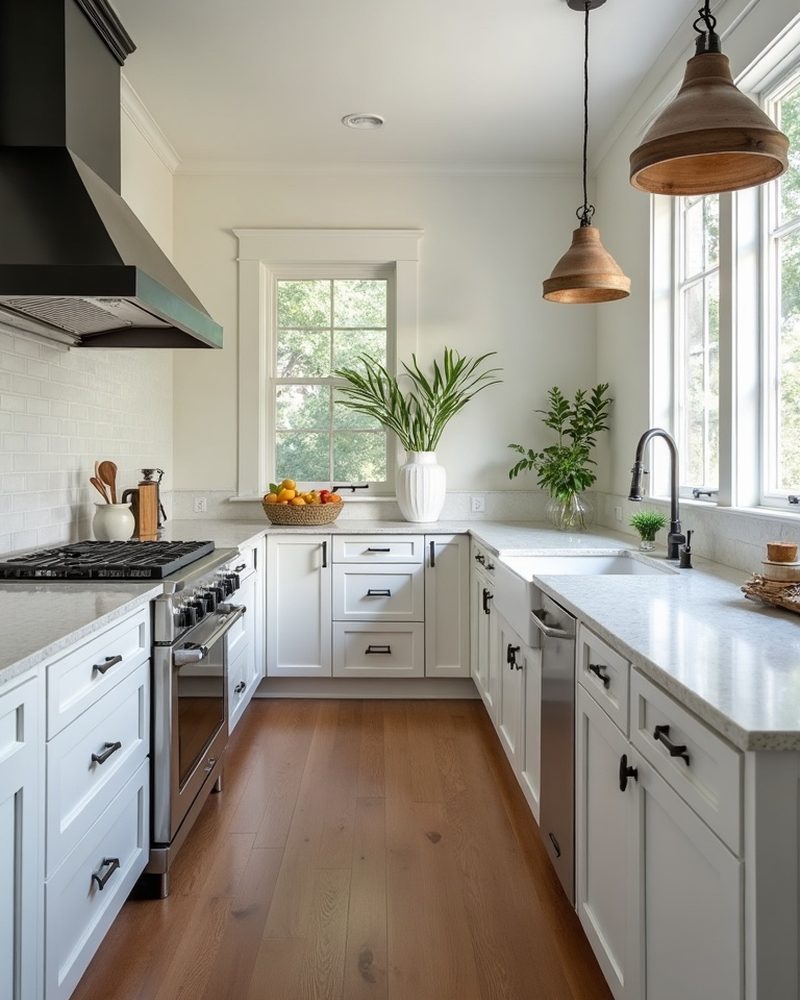
Focus upgrades on what Northeast Atlanta buyers consistently reward. Kitchens and bathrooms with durable finishes, efficient HVAC and water heaters, and curb appeal improvements typically give the best return. Cosmetic staging matters too: neutral palettes, purposeful furniture placement to show room function, and well-lit photos increase online interest and showings. Avoid over-personalized renovations that are costly to undo.
Understand financing trends and how they influence what buyers can afford in practice. Higher rates can shrink buyer pools, increasing the importance of flexible seller timing or offering incentives like rate buydowns. Buyers should get preapproved and revisit their budget if rates shift; sellers should work with an agent who tracks what offers with concessions are closing.
Inspect for long-term risk factors that appraisers and lenders will care about: roof age, foundation movement signs, original plumbing or knob and tube wiring, and floodplain or drainage issues. For sellers, pre-inspections can eliminate last-minute renegotiations; for buyers, targeted inspections give negotiating leverage and clearer budgeting for near-term maintenance.
Think like a local investor when evaluating resale and rental potential. Proximity to parks, public transit nodes, sought-after retail corridors, and planned infrastructure projects often predict demand growth. If rental income is part of your plan, verify local ordinances and HOA rules on short-term or long-term rentals before you buy.
Refine your search with practical neighborhood questions: What time do trash trucks come and trash pickup rules? Where do teens gather and how walkable is that route? Is street parking plentiful during evenings? How long is the typical market window between listing and closing in this subdivision? Answers to these granular items avoid post-move surprises and help sellers present their home with the right highlights.
If you want a tailored neighborhood match
