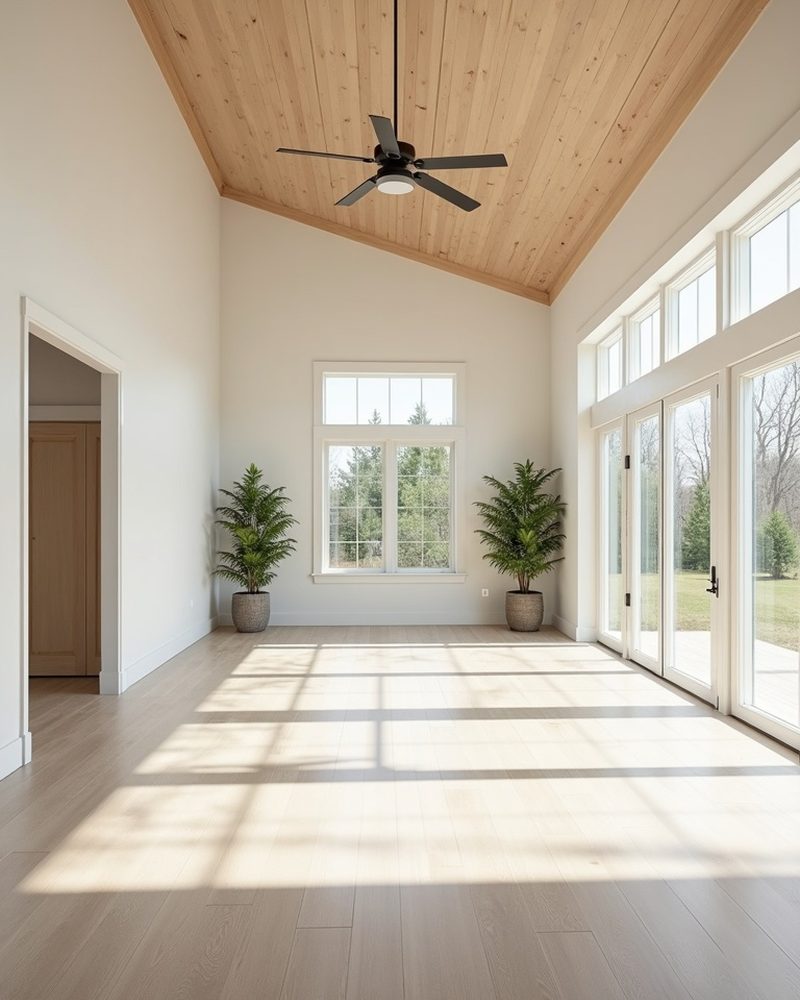
The Northeast Atlanta market is not one market but many small markets stacked side by side. Buyers and sellers who treat the area as a single trend miss the neighborhood details that determine speed of sale, final price and long term value. This guide explains the local signals that matter now and for years to come so you can act with confidence whether you plan to buy or sell in Northeast Atlanta.
Start with hyperlocal comparables not broad averages. County and city level metrics are useful for context, but the most accurate pricing comes from recent sales and active listings within a few blocks and within the same school zone. Look at 30 to 90 day sold data, then expand to six months when inventory is thin. Accurate comps reduce time on market for sellers and prevent buyers from overpaying for a home that looks similar on the surface but differs in lot, upgrades or HOA restrictions.
Understand how commute corridors shape demand. Proximity to I 285 and GA 400, access to MARTA or major employment centers influences buyer choices every day. A short drive to Perimeter Center or easy MARTA access can command a premium for small townhomes and condos, while yard size and privacy become powerful advantages in neighborhoods a little further out. Map common commute routes and prioritize homes that cut minutes off peak travel times for your buyers or for your own lifestyle.
School zones remain a top priority for many Northeast Atlanta buyers, but the reason matters. Some buyers seek top-rated public schools, others value private or charter options nearby. For sellers, highlighting both the school options and nearby extracurriculars such as sports complexes, parks and libraries can broaden appeal. If your home falls near a coveted school boundary, make that information easy to find in your listing and marketing materials.
Inventory and seasonality affect strategy. In slower inventory periods, well priced and well staged homes get multiple offers quickly. When listings flood the market, small differences matter more: fresh paint in neutral tones, modernized kitchens and clear, professional photography can differentiate a property. For buyers, seasonal slowdowns can create negotiation windows. For sellers, listing when demand outpaces supply requires careful pricing to capture competitive interest.
Small renovations often deliver the best return. Target visible areas buyers care about first: the kitchen, primary bathroom and entry spaces. Spend selectively on durable updates like modern lighting, hardware, and finishing touches that photograph well. Large structural projects might not pay back immediately unless they significantly increase usable square footage or correct major functional issues that buyers frequently flag in the neighborhood.
Staging and photography are not optional. In a digitally first market, most buyers decide within seconds whether to click for more information. Professional photos, thoughtful staging and virtual tours expand the pool of interested buyers and shorten days on market. Sellers should remove personal clutter, improve curb appeal with clean landscaping and ensure interiors are bright and welcoming to capture top search engine placements and higher click through rates.
For buyers, pre approval is a competitive advantage. Sellers and listing agents often prioritize offers that show a buyer is finance ready and flexible on timing. Work with a lender who understands Northeast Atlanta underwriting trends so you can submit clean, compelling offers with realistic contingency timelines. Contingencies still protect buyers, but shorter windows for inspection and appraisal can improve offer strength when multiple buyers compete.
Pay attention to local policy and development plans. New retail, school expansions, or road improvements can change demand patterns quickly. Conversely, proposed zoning changes or denser development near established single family areas might affect long term desirability. Check municipal planning resources and attend community meetings when possible to understand how upcoming projects may influence value in specific neighborhoods.
If you want a real conversation about how these neighborhood nuances apply to your specific block or listing, reach out to Krista Sallaz. I work with buyers and sellers across Northeast Atlanta from Dunwoody and Brookhaven to Johns Creek and Peachtree Corners and I can share targeted data and on the-ground insight tailored to your goals. Call 770 355 9877 or visit
www.kristasallaz.com to start a local market review and plan your next move with confidence.
Long term success in Northeast Atlanta real estate comes from blending big picture trends with block level details. Whether you are buying your next home or preparing to sell, focusing on the neighborhood nuances described here will help you make smarter decisions and achieve better outcomes now and in the years ahead.
