The Northeast Atlanta real estate market blends pockets of rapid growth with stable suburban neighborhoods, and knowing which local signals to watch separates a timed win from a missed opportunity. Whether you are buying your first home, upsizing, downsizing or selling an investment, these practical, evergreen market indicators will help you make confident choices in Suwanee, Sugar Hill, Buford, Dacula and surrounding communities. Read them now and bookmark this guide for future reference.
Start with inventory and price momentum. Inventory tells you whether you are in a buyer's market or a seller's market, but the trend matters more than a single snapshot. Rising new listings with flat or falling sale prices means more leverage for buyers. Low inventory with rising list-to-sale ratios and shrinking days on market creates urgency for buyers and pricing power for sellers. Track listings in your specific neighborhood rather than county-wide averages to get accurate insight.
Days on market and list-to-sale price ratio are simple, durable metrics. A property spending more time than comparable homes signals pricing or condition issues. Conversely, repeated homes selling above list price in a subdivision shows excess demand and may justify aggressive pricing or faster buyer action in that micro-market. Use a 30, 60 and 90-day window to confirm real momentum instead of reacting to a single week of data.
Watch financing activity and buyer profiles. When more buyers are using conventional loans with higher down payments, pricing tends to be steadier and offers more reliable closings. If you see many contingent contracts or cash purchases, expect different negotiation dynamics. Mortgage rate swings affect purchasing power; even small rate changes can shift monthly payment math and widen or narrow the pool of qualified buyers.
School zones and commute times remain perennial value drivers in Northeast Atlanta. Proximity to highly rated schools in Gwinnett and North Fulton, plus commute access to I-85 and GA 400, will influence both marketability and resale value. For home shoppers, test daily drive times during actual rush hours. For sellers, highlight accurate commute data and nearby school information in your listing to attract serious buyers.
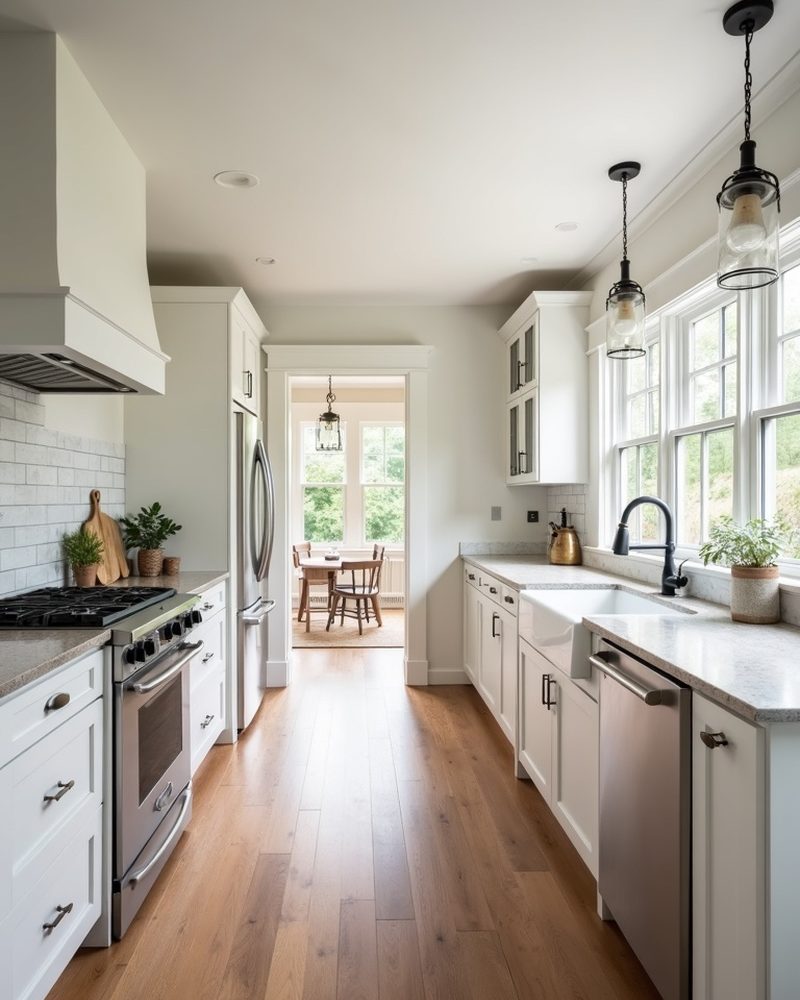
Look for durable, resale-proof home features. In this region buyers consistently pay extra for an updated kitchen, flexible home office space, finished basements or bonus rooms, generous yard and outdoor living areas, and energy-efficient improvements. Landscaping that improves curb appeal and practical upgrades like new HVAC or roof records remove friction at inspection and help close deals faster.
Micro-market shifts are powerful. Developments such as new retail nodes, planned parks, or road improvements can create “hidden value corridors” within a few blocks. Conversely, new multifamily construction or changes in zoning can depress nearby single-family values temporarily. Research planned public projects and private developments affecting your target neighborhood before you price or make an offer.
Condition and presentation still win. Staged and well-photographed homes spend less time on market and receive higher average offers. Simple, cost-effective fixes—neutral paint, cleared clutter, professional photos, and targeted repairs—often return many times their cost at closing. For sellers, prioritize fixes identified in pre-listing inspections that remove buyer uncertainty.
Timing matters seasonally but not predictably. Spring usually brings higher buyer demand, yet motivated buyers show up year-round when inventory is constrained. Use seasonal trends to plan, but let your personal timeline and local inventory realities drive the decision. If you must sell during a traditionally slower season, emphasize price, condition, and targeted marketing to capture buyer attention.
Use comparable sales wisely. Price per square foot is a useful reference but not the whole story. Compare homes with similar lot sizes, age, school zones and functional layouts. Two homes with the same square footage can have very different buyer appeal and thus different values. When in doubt, get a neighborhood-specific valuation rather than relying on county-wide averages.
Prepare for inspection and negotiation with facts. Buyers who present pre-approval letters, recent comparable sales, and inspection-aware offers close faster. Sellers who disclose known issues, provide maintenance records and price with local comps avoid extended negotiations and appraisal headaches. Clear documentation builds trust and shortens timelines.
If you want a neighborhood-level
