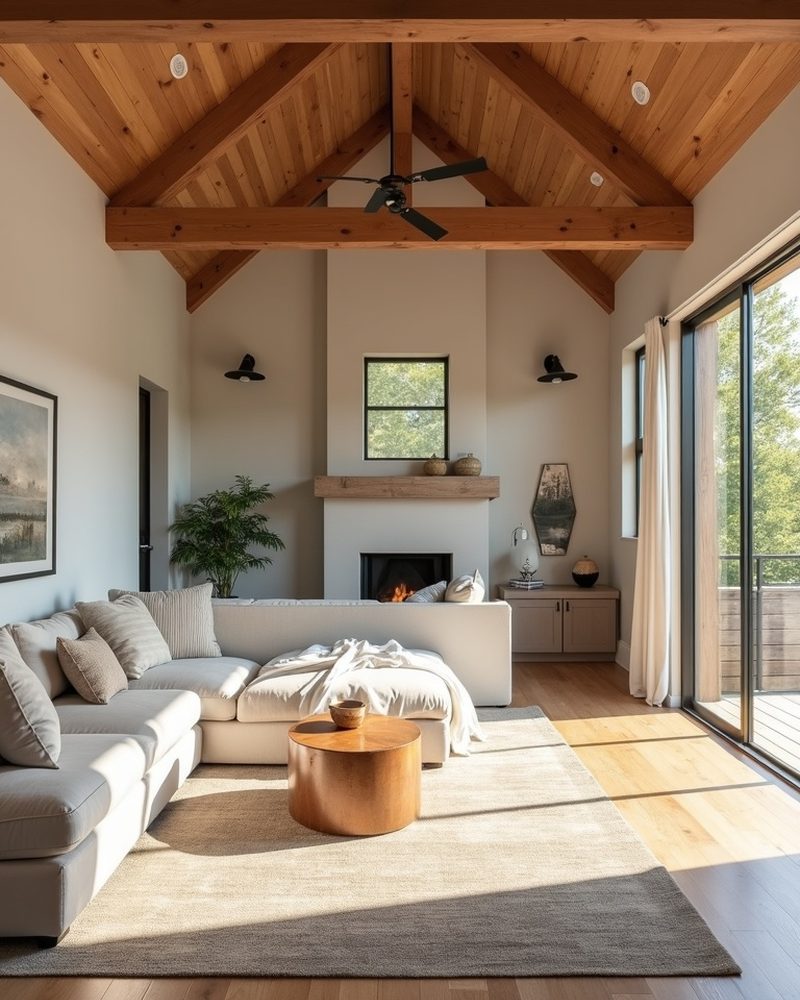
Sellers and buyers in Northeast Atlanta are increasingly weighing a home’s practical readiness for storms, heat, and rising utility costs alongside traditional selling points. Making targeted resilience upgrades does more than protect your property—it directly affects buyer demand, time on market, and price. Whether you are preparing to list in Suwanee, Buford, Sugar Hill, Lawrenceville or Dacula, understanding which improvements matter locally will help you make smarter decisions that pay off now and remain relevant for years to come.
Why resilience matters in today’s Northeast Atlanta market
Recent severe weather patterns, higher energy costs and tighter lending and insurance scrutiny mean buyers expect homes to be prepared. A well-documented resilience upgrade reduces perceived risk, increases buyer confidence at inspection, and can translate into stronger offers. For sellers, resilience work can reduce negotiations over repairs. For buyers, choosing a resilient home lowers future outlay and insurance surprises.
Seven practical resilience upgrades that matter here
1) Roof integrity and gutters: Replace older shingles, upgrade flashing and install seamless gutters with proper downspout routing. A solid roof signals long-term reliability to buyers and prevents expensive interior damage.
2) Drainage and grading: Ensure yards slope away from the foundation, add swales or regrade low spots, and consider hardscape adjustments that prevent pooling. In Northeast Atlanta where heavy storms can overwhelm yards, correct grading is one of the highest-impact, low-visibility improvements.
3) Sump pumps and French drains: For homes with basements or lower yards, a reliable sump system and perimeter drainage greatly reduce the risk of water intrusion. Dual pumps or battery backup systems add a layer of protection buyers appreciate.
4) HVAC efficiency and insulation: Upgrading to a high-efficiency HVAC, sealing ducts and boosting attic insulation saves money on utilities and increases comfort during hot Georgia summers. Buyers factor expected energy costs into their offers.
5) Window and door resilience: Replace older single-pane windows with double-pane or low-e glass, and ensure exterior doors seal tightly. Improved windows reduce noise, lower cooling loads and add perceived quality.
6) Landscape for resilience: Choose native, drought-tolerant plants, add mulch to reduce runoff, and use permeable pavers in driveways and walkways. Smart landscaping addresses both stormwater and curb appeal at the same time.
7) Electrical readiness and backup: Upgrade older electrical panels, install a transfer switch and consider a standby generator or smart battery backup to keep critical systems running during outages. For buyers who work from home or care for family members, backup power is a major selling point.
How to prioritize based on budget and impact
Start with fixes that protect the structure first: roof, grading and drainage. These prevent drastic devaluation after a weather event. Next, invest in HVAC and insulation for ongoing utility savings and comfort. Finish with windows, landscaping and electrical upgrades to round out the home’s market-ready appeal. Even modest investments in these areas often produce outsized returns in buyer interest and negotiating position.
Local nuances that influence which upgrades to choose
Northeast Atlanta is a patchwork of micro markets. Homes in older Buford and Lawrenceville neighborhoods may need electrical and roof attention more than newer Sugar Hill properties, while flood-prone lots in low-lying sections of Suwanee or Dacula require drainage-first strategies. HOA rules can affect exterior work, so verify restrictions before planning improvements. A local agent who knows the neighborhoods can help match upgrades to buyer expectations.
Document improvements to boost buyer confidence
Keep permits, contractor invoices, warranties and before-and-after photos. That documentation shortens buyer due diligence, supports asking price and often speeds closing. Buyers and lenders respond positively when resilience upgrades are proven and well-documented.
Estimating cost versus benefit
Costs range widely: basic gutter and grading fixes can be a few hundred to a few thousand dollars, while roof replacement or a
