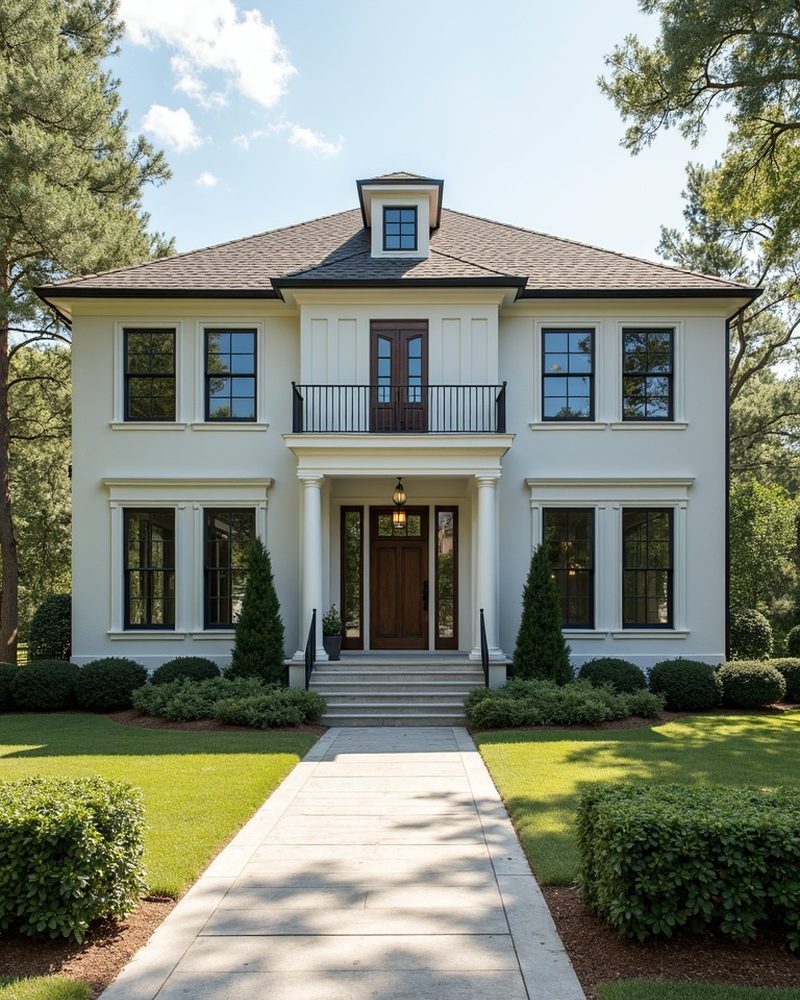
Spring and fall move quickly in Northeast Atlanta, but the choices you make in any season shape long term results. This guide explains what to watch in todays market and which strategies will still matter years from now whether you are looking to buy a home or sell one in Northeast Atlanta. It mixes timely market signals with evergreen decision rules so the information stays useful over time.
Northeast Atlanta is not one market, it is a collection of micro-markets. Brookhaven, Dunwoody, Chamblee, and Tucker each have different demand rhythms, school draws, and resale expectations. Buyers searching for homes for sale in Northeast Atlanta should map commute times, school zones, and nearby retail and park access. Sellers should highlight the local strengths that matter most to nearby buyers, not national headlines.
Pricing remains the single biggest lever for a successful sale. Use recent comparable sales in your immediate neighborhood, not just citywide averages. Pay attention to price bands where most activity is happening for similar homes. If inventory is tight, a cleanly marketed listing priced at current neighborhood value attracts multiple showings; if inventory is higher, sharper staging and flexible terms matter more.
Buyers: be ready before you submit an offer. A current pre-approval, a realistic budget that factors in closing costs and potential repairs, and a clear priority list (commute, schools, yard size, square footage) will help you act decisively. In competitive situations, a quick appraisal review, clear inspection timeline, and strong earnest money can make your offer stand out without overpaying.
Seasonality matters in practical ways in Northeast Atlanta. Spring listings usually get the most traffic; sellers who can present their home in peak condition by March through May often see faster sales. Fall can still be strong for well-priced homes, and winter buyers are typically more serious. For buyers, seasonal timing can mean less competition in late summer and winter but also fewer choices.
Make improvements that buyers in this region actually value. Resale-proof features include updated kitchens with durable finishes, modern bathrooms, energy efficient windows and HVAC, and thoughtful outdoor living spaces. Cosmetic updates like neutral paint and well maintained landscaping often have high returns in these neighborhoods. Avoid over-improving beyond comparable homes on the block.
Lifestyle details are a long-lasting part of value. Reliable internet for home offices, proximity to grocery and medical services, safe sidewalks and bike routes, and school reputations drive demand. When assessing a property, consider both current lifestyle fit and likely buyer preferences a few years out so you are buying or selling with future demand in mind.
Evaluate offers beyond the headline price. Review contingencies, buyer financing strength, proposed closing date, and inspection provisions. A slightly lower but clean offer with a flexible closing timeline can be more valuable than a higher offer with multiple contingencies or uncertain financing. As a seller, be clear about what trade offs you will accept.
Watch a few local data points each week to stay informed: active inventory in your
