Northeast Atlanta remains one of the most dynamic markets in Metro Atlanta, where subtle shifts in neighborhood demand and buyer expectations create big opportunities for the informed homeowner or buyer. Whether you plan to buy or sell in Buford, Suwanee, Sugar Hill, Dacula, Lawrenceville or nearby communities, this playbook highlights practical, evergreen strategies that consistently affect price, time on market, and long term resale value.
Start with the right local data. National headlines about rates matter, but the real story is in local supply and demand: active listing counts, recent sale prices by school zone, and days on market for homes similar to yours. Ask for a current comparative market analysis that includes recent closed sales and pending contracts in your micro-market. Those micro-market differences are why a house on one street can sell for substantially more than a similar home a mile away.
Price with purpose. Competitive pricing that reflects nearby closed sales, not just list prices, gets buyers in the door and generates showings, offers, and appraisal-friendly comps. For sellers, a small initial price advantage can shorten marketing time and reduce the risk of price reductions. For buyers, knowing recent sold prices gives leverage when negotiating in a shifting market.
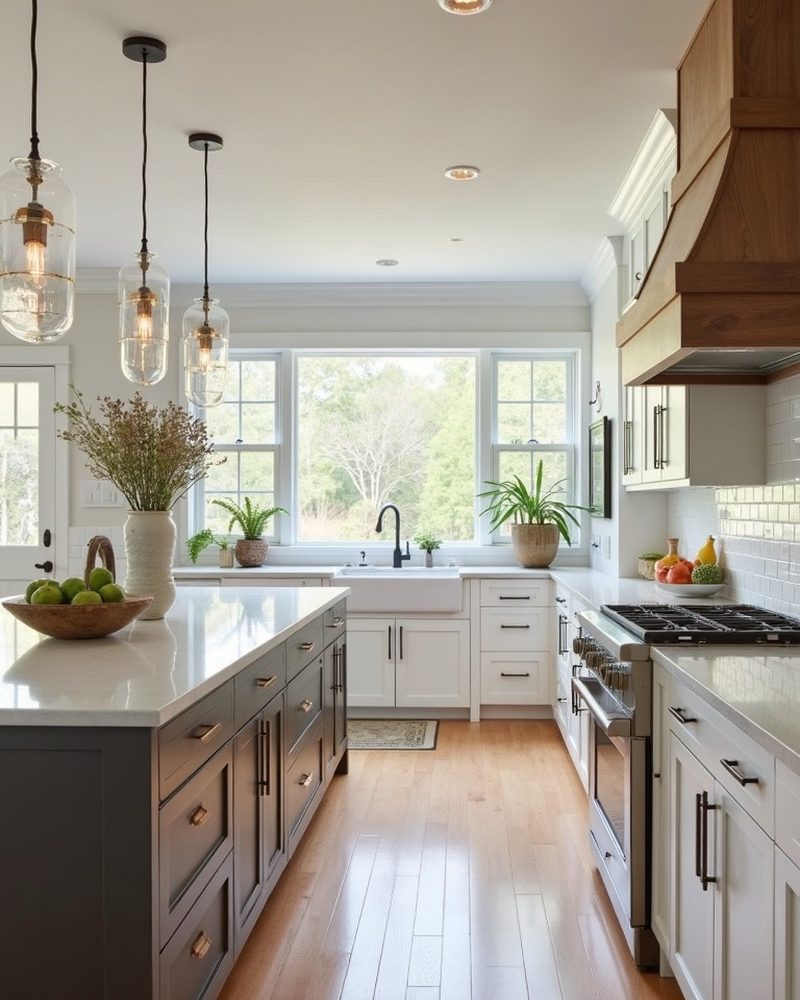
Focus on high-impact improvements. You do not need a full remodel to win. The upgrades that reliably move the needle in Northeast Atlanta are fresh paint inside and out, updated hardware and fixtures, clean and modern lighting, well-maintained landscaping, and a neutral, decluttered presentation. A kitchen refresh that improves functionality and visual appeal and a primary bathroom that feels modern will typically return more than cosmetic tweaks in secondary rooms.
Curb appeal is the first impression that sets price expectations. Mow, edge, power wash, repair gutters, and add low-maintenance plantings to frame the entry. Buyers often decide within seconds whether they want to step inside; a strong exterior sets a positive tone for the home tour.
Staging and photography matter more than ever. Good photos and a virtual tour multiply interest from online searches and social listings. If you can, remove personal items, stage main living areas to show size and flow, and highlight outdoor spaces—backyards and screened porches sell well in this region. Virtual staging can help but prioritize real, lived-in looks where possible.
Understand buyer priorities today. Many buyers in Northeast Atlanta seek flexible space for work or multi-generational living, energy efficiency, and access to parks, trails, and good schools. If your home meets one or more of those needs, highlight them in your marketing copy and listing details. If not, consider small adjustments that increase perceived utility: add built-in storage, create a simple home office nook, or update windows and insulation where feasible.
For buyers: be prepared and strategic. Get pre-approved with a reputable lender, understand your target neighborhoods’ price bands, and move quickly when a well-priced opportunity appears. Ask your agent for a neighborhood scorecard—walkability, school ratings, typical utility costs, HOA rules, and recent resale performance. Offer strategy should reflect current market tempo: in a tight submarket, escalation clauses and earnest money can matter; in a softer submarket, inspections and contingencies regain negotiating power.
Inspections, appraisals, and contingency planning are long-term value protectors. Sellers should address known issues and provide clear documentation for roof, HVAC, and major repairs. Buyers should prioritize inspections that reveal structural or drainage issues common to older properties in the region. Clear documentation and proactive repairs reduce friction at appraisal and closing.
Timing and seasonality still influence outcomes. Spring and early summer typically see higher buyer activity in Northeast Atlanta, but motivated sellers and bargain buyers appear year-round. If your timeline is flexible, list when inventory is lowest relative to demand to improve your odds of multiple offers. If you need to buy and sell simultaneously, discuss bridge options and timing strategies to minimize stress and cost.
Leverage neighborhood-level marketing. Most buyers search by schools, commute time, and lifestyle keywords. Use those specifics in your listing and online content. Highlight proximity to commuter routes, MARTA access if relevant, parks, retailers, and local events. For sellers, targeted open houses and community-specific social campaigns often attract the most qualified buyers.
Know the math of your move. Net proceeds after commissions, closing costs, and any payoffs determine how much you can reinvest. For buyers, understanding total monthly carrying costs—including taxes, insurance, HOA fees, and utilities—keeps your purchase sustainable. Work with an agent who runs realistic net sheets and cost scenarios tailored to Northeast Atlanta neighborhoods.
Choose an agent with local market proof. An agent who tracks neighborhood comps, recent buyer behaviors, and local development plans will help you price effectively, stage appropriately, and market to the right audience. Expertise in contract timing and inspection negotiation reduces surprises and speeds closings.
If you want a confident, locally grounded plan for buying or selling in Northeast Atlanta, call Krista Sallaz at 770-355-9877 for a conversation about your goals and the data behind them. You can also learn more about local neighborhoods and current listings at
www.kristasallaz.com where neighborhood insights and market reports are updated regularly.
Small decisions made with local knowledge produce the biggest long-term gains in Northeast Atlanta real estate. Use this playbook as a checklist, and get personalized guidance that reflects your timeline and priorities—those tailored choices are what create lasting value.
